What Team Sports Teach Children

Picture two children, both bright, both capable. One has spent years solving problems quietly at a desk. The other has done that too, but has also stood on a muddy pitch on a cold Saturday morning, watching a game slip away and deciding, with teammates, how to claw it back. By the time they leave school, those two children carry very different sets of skills. Not better or worse, but genuinely different. Understanding where those differences come from can help parents think about the whole shape of their child’s education.

Read More →
Nurturing a Science Lover

Ask most children why the sky is blue or where puddles disappear to, and you’ll get a flurry of questions back. That instinct to ask, to prod, to test an idea against reality, is the raw material of scientific thinking. The research is fairly consistent on this point: curiosity is not something we install in children so much as something we either protect or let fade. The home, long before any classroom, is where that protecting begins.

Read More →
Pastoral Support That Puts the Child First

Ask any parent what matters most when choosing a school, and academic results rarely top the list on their own. What they really want to know is simpler: will my child be happy, noticed and supported? Pastoral care is the answer to that question, yet it is one of the hardest things to judge from a glossy prospectus. Good pastoral support goes well beyond a school’s legal duty of care. It shapes how a child feels every single day.

Read More →
Thrive at School

Ask most people what helps a child do well at school and the answers come quickly: good teachers, small classes, decent results. All true, and all worth having. But they describe the machinery of a school rather than the experience of being a child inside one. The more interesting question, and the one that tends to separate schools where children merely cope from those where they genuinely thrive, is harder to measure.

Read More →
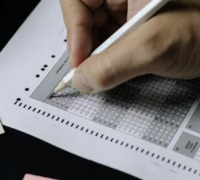
Keeping Exam Stress in Proportion

Ask a room full of students what worries them most about exams, and you’ll rarely hear about the questions themselves. It’s the build-up: the revision that never feels finished, the sense that one paper could decide everything, the quiet pressure that creeps in long before the exam hall doors open. A little of that tension is normal and even useful. The trick is noticing when it tips over into something that gets in the way.

Read More →
Making Homework Less of a Battleground

It is a quarter past six on a Tuesday. The dinner is nearly ready, the dog wants feeding, and somewhere upstairs a maths worksheet lies abandoned on a bedroom floor. A parent calls up the stairs for the third time. A child insists, with total conviction, that there is no homework this week. Anyone who has lived through this scene knows how quickly a short task can swallow an entire evening and sour the mood of a whole house.

Read More →
Signs of Exam Stress

It started with the biscuits. A mother noticed that the tin she usually refilled once a week was emptying in two days. Her son, normally happy to talk about his day, had taken to eating in his room with the door shut. She put it down to a teenage phase. Then came the missed football training, the light still on at 2am, the snapped replies over nothing at all. By the time she connected the dots, her son had been quietly wrestling with exam pressure for weeks.

Read More →
Wellbeing at School

The first week back after summer tells you more about a school’s approach to wellbeing than any glossy prospectus ever could. Corridors fill up again, timetables reset, and the gap between what a school says about pupil welfare and what it actually does becomes visible almost immediately. September is the honest season. It is when good intentions meet real teenagers with real nerves, and when policy either turns into practice or quietly stays on the page.

Read More →