
What is Play Based Learning? – In the realm of education, there’s a growing acknowledgment of the invaluable role that play-based learning plays in fostering holistic development among children. It’s not just about fun and games; rather, it’s a purposeful approach to education that capitalises on children’s natural inclination to explore, experiment, and make sense of the world around them. Let’s delve deeper into the essence of play-based learning, its benefits, and how it nurtures young minds.
What is Play Based Learning?
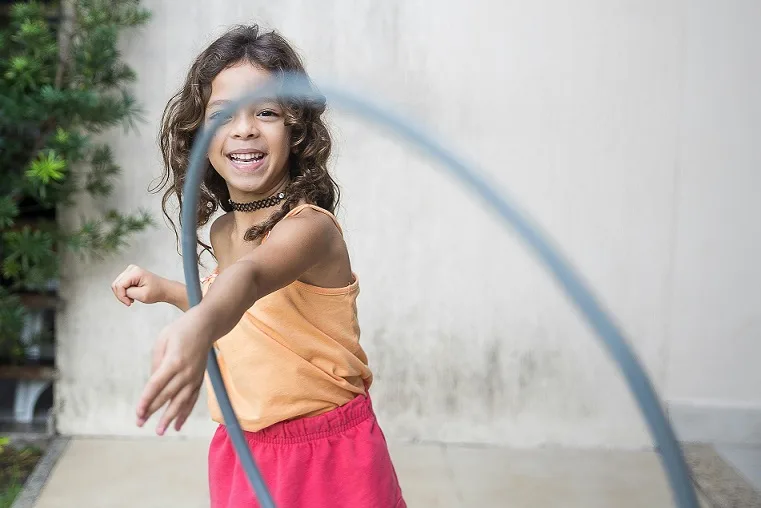
Understanding Play-Based Learning
At its core, play-based learning is an educational approach that integrates play activities into the learning process. Instead of traditional structured lessons, play becomes the vehicle through which children acquire knowledge, develop skills, and build social connections. Whether it’s through imaginative play, sensory experiences, or problem-solving games, children engage in activities that are meaningful and relevant to their developmental stage.
The Elements of Play-Based Learning
- Freedom and Autonomy: In play-based learning environments, children are given the freedom to choose their activities and direct their own learning experiences. This autonomy empowers them to follow their interests, explore their curiosities, and take ownership of their learning journey.
- Hands-On Exploration: Play-based learning emphasises hands-on experiences that allow children to manipulate objects, interact with their environment, and engage in sensory exploration. Whether it’s building with blocks, creating artwork, or conducting science experiments, these tangible experiences deepen children’s understanding of concepts and foster a love for learning.
- Social Interaction: This prep school in Wolverhampton suggests that play provides ample opportunities for social interaction, collaboration, and communication. Whether it’s negotiating roles in pretend play scenarios or working together to solve a problem, children learn important social skills such as empathy, cooperation, and conflict resolution.
- Imagination and Creativity: Play-based learning encourages children to unleash their imagination and creativity. Whether they’re inventing stories, designing inventions, or transforming everyday objects into something new, imaginative play fosters creative thinking, problem-solving skills, and innovation.

The Benefits of Play-Based Learning
- Holistic Development: Play-based learning addresses all aspects of a child’s development, including cognitive, social, emotional, and physical domains. By engaging in diverse play activities, children develop a wide range of skills that are essential for success in school and beyond.
- Intrinsic Motivation: Play-based learning capitalises on children’s natural curiosity and intrinsic motivation to learn. When children are deeply engaged in play, they are more likely to persist in the face of challenges, take risks, and explore new ideas.
- Meaningful Learning: Play-based learning makes learning meaningful and relevant to children’s lives. Instead of memorising facts or completing rote exercises, children learn through authentic experiences that resonate with their interests, experiences, and cultural backgrounds.
- Positive Learning Environment: Play-based learning creates a positive and supportive learning environment where children feel safe to take risks, make mistakes, and learn from their experiences. This nurturing atmosphere fosters a love for learning and cultivates a growth mindset.

Closing Thoughts
Play-based learning is not just child’s play; it’s a powerful educational approach that unlocks the full potential of young minds. By embracing play as a cornerstone of education, we can cultivate curious, creative, and resilient learners who are prepared to thrive in an ever-changing world. As educators, parents, and caregivers, let’s prioritise play-based learning as a fundamental component of children’s education, ensuring that every child has the opportunity to learn, grow, and succeed through play.