
Backyard Biologists: Encouraging Natural Curiosity in Children – In every child’s heart, there lies an innate curiosity about the natural world. This curiosity, if nurtured, can blossom into a lifelong passion for science and exploration. The backyard, often overlooked, is a treasure trove of biological wonders. It’s a place where children can become backyard biologists, learning about the delicate balance of ecosystems right outside their door. This article aims to guide parents and educators on how to encourage this natural curiosity in a light-hearted and engaging manner.

Encouraging Natural Curiosity – The Wonders of the Backyard Ecosystem
The backyard is more than just a space for outdoor activities; it’s a miniature ecosystem teeming with life. Here, children can learn about various plants and animals, understand food chains, and observe ecological interactions. By turning over a stone, they might find an ant colony or a bustling world of earthworms. Observing these creatures provides firsthand knowledge of biology and ecology.
Encouraging Natural Curiosity – Tools for Young Explorers
To begin their exploration, children need the right tools. Simple items like magnifying glasses, notebooks, and binoculars can transform their experience. These tools help them observe details like the veins in leaves, the patterns on butterfly wings, and the behaviours of birds. This hands-on approach is crucial for fostering a deeper understanding and appreciation of biology.
Encouraging Natural Curiosity – Observing Insect Life
Insects are fascinating subjects for study. A backyard safari to find and identify different insects can be an exciting activity. Children can learn about the roles these tiny creatures play in the ecosystem, such as pollination and decomposition. Activities like building a simple bug hotel can also teach children about providing habitats for beneficial insects.
Encouraging Natural Curiosity – Bird Watching and Avian Studies
Bird watching is another engaging way to learn about backyard biology. Children can learn to identify different species, observe their feeding habits, and even understand migration patterns. Setting up bird feeders and bird baths encourages birds to visit regularly, offering ample observation opportunities.
Encouraging Natural Curiosity – Plant Science in the Backyard
Plants are the backbone of any ecosystem. Kids can learn about different types of plants, their growth patterns, and their importance in the environment. Activities like planting a garden or creating a compost pile can teach children about plant biology and the importance of sustainability.
Encouraging Natural Curiosity – The Role of Technology in Learning
Incorporating technology, such as apps for identifying plants and animals, can enhance the learning experience. These tools offer a wealth of information at the fingertips and can help children document their discoveries in a fun and modern way.
Encouraging Natural Curiosity – Safety and Respect for Nature
Safety is paramount in backyard explorations. Teaching children to respect wildlife and handle creatures gently is essential. They should also learn to recognise and avoid potentially dangerous plants and animals.
Encouraging Natural Curiosity – Integrating Play with Learning
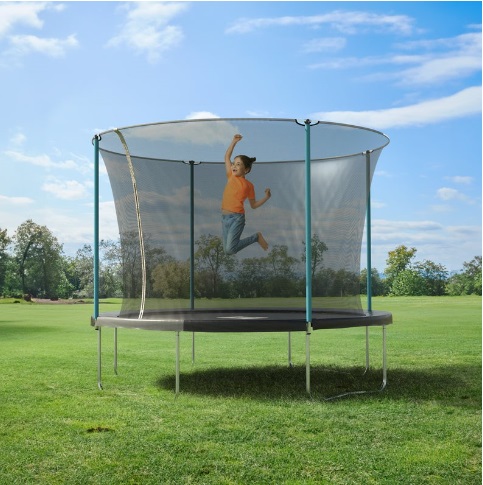
Incorporating play into learning biology can make the experience more enjoyable. For instance, a large trampoline in the backyard isn’t just for jumping; it can be a fun way to observe bird flight patterns from a higher vantage point.
Encouraging Natural Curiosity – Seasons and Change
The changing seasons offer a dynamic way to study biology. Each season brings different plants, animals, and weather patterns, providing continuous learning opportunities. Observing these changes helps children understand the concepts of adaptation and life cycles.
Encouraging Natural Curiosity – Creating a Habitat
Encouraging children to create habitats for wildlife can be both fun and educational. Simple projects like building a birdhouse, setting up a small pond, or leaving a part of the yard wild can attract various species and provide a living lab for observation.
Encouraging Natural Curiosity – Accessorising for Adventure
Using accessories like trampoline covers creatively can add to the adventure. These can be used as makeshift tents for a backyard camping experience, where children can spend a night observing nocturnal wildlife.
Encouraging Natural Curiosity – Conclusion: Fostering a Lifelong Love for Biology
By turning the backyard into a biological playground, we can spark a sense of wonder and curiosity in children. This not only teaches them about science and the environment but also fosters a lifelong respect for nature. So, encourage your children to step outside, look closely at the wonders around them, and leap into the exciting world of backyard biology!
*Collaborative post