
Mastering Winter Gardening- As a passionate gardener, I have always found joy in nurturing my plants and watching them thrive throughout the seasons. However, when it comes to winter gardening, many people are often hesitant or unsure about how to proceed. Understanding winter gardening is crucial for anyone looking to maintain a flourishing garden even in the coldest months.
Winter gardening involves the cultivation of plants during the colder months, typically when temperatures drop below freezing. It is a unique and rewarding experience that allows gardeners to extend the growing season and enjoy fresh produce even in the depths of winter. Understanding the specific needs of plants during this time is essential for success, as it requires careful planning and consideration of various factors such as temperature, sunlight, and soil conditions.
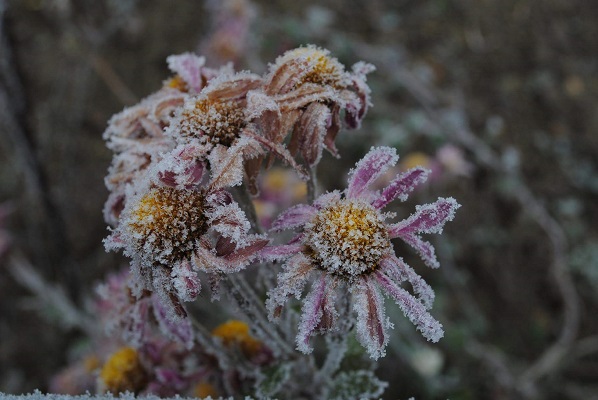
One of the key aspects of understanding winter gardening is recognizing the resilience and adaptability of certain plants to colder temperatures. By selecting the right varieties and understanding their cold-hardiness, gardeners can create a thriving winter garden that defies the common misconception that gardening is limited to the warmer months. With the proper knowledge and techniques, anyone can master the art of winter gardening and enjoy a bountiful harvest even when the snow is falling.
Benefits of Cold-Weather Gardening
While winter gardening may present its unique set of challenges, the benefits it offers are truly remarkable. Embracing cold-weather gardening can bring a wealth of advantages that extend beyond the satisfaction of nurturing plants in adverse conditions.
One of the primary benefits of cold-weather gardening is the ability to enjoy a continuous supply of fresh produce throughout the winter months. By growing cold-hardy vegetables and herbs, gardeners can harvest flavorful and nutritious crops right from their own backyard, providing a source of healthy sustenance during a time when fresh produce is often scarce.
Furthermore, winter gardening can also contribute to the overall well-being of gardeners by providing a sense of purpose and connection to nature during the quieter months. The act of tending to a winter garden can be incredibly therapeutic, offering a reprieve from the winter blues and fostering a deeper appreciation for the resilience of nature.
Additionally, embracing winter gardening allows gardeners to experiment with a different set of plants and techniques, expanding their horticultural knowledge and skills. By venturing into the realm of cold-weather gardening, individuals can broaden their gardening horizons and discover new and exciting possibilities for their outdoor spaces.
Winter Gardening Challenges
While the rewards of winter gardening are undeniable, it is important to acknowledge the challenges that come with cultivating a garden during the colder months. Understanding and addressing these challenges is essential for overcoming potential obstacles and ensuring the success of a winter garden.
One of the primary challenges of winter gardening is the fluctuating and often unpredictable nature of winter weather. Frost, snow, and freezing temperatures can pose significant threats to plants, potentially causing damage or stunting their growth. Additionally, the reduced daylight and limited sunlight during winter can impact the photosynthesis process, affecting the overall health and vigor of plants.
Another challenge that gardeners may encounter during winter gardening is the need for additional protection and maintenance of their garden. It is essential to implement strategies for safeguarding plants from frost and snow, as well as providing adequate insulation to maintain soil warmth and moisture levels. Furthermore, the limited outdoor gardening opportunities may lead to a sense of longing for the vibrant colours and lush foliage typically associated with the warmer seasons.
Despite these challenges, with careful planning and the right approach, gardeners can overcome the obstacles of winter gardening and create a beautiful and thriving garden that defies the harsh conditions of the season.
With the right planning and preparation a Dallas turf company or your local equivalent will be able to help you plan a garden suitable for all seasons without too much hassle or costs.
Essential Winter Garden Tools and Supplies
To navigate the intricacies of winter gardening successfully, it is crucial to have the right tools and supplies at your disposal. Equipping yourself with essential winter garden tools and supplies can make the process more manageable and ensure the well-being of your plants during the colder months.
One of the fundamental tools for winter gardening is a reliable set of hand tools, including a sturdy trowel, pruners, and a hand fork. These tools are essential for planting, pruning, and maintaining your garden, allowing you to tend to your plants with precision and care. Additionally, having a durable pair of gardening gloves is crucial for protecting your hands from the cold and moisture while working in the garden.
In addition to hand tools, investing in quality frost protection materials such as row covers, frost blankets, and cloches is vital for safeguarding your plants from freezing temperatures and frost damage. These protective coverings act as a barrier against the harsh elements, creating a microclimate that shields your plants and preserves warmth and moisture.
Furthermore, ensuring access to a reliable water source, such as a well-insulated hose or watering can, is essential for providing adequate hydration to your plants during the winter. Proper irrigation is crucial for maintaining the health and vitality of your garden, especially when natural precipitation may be limited.
Winter Garden Planning and Preparation
Effective planning and preparation are key components of successful winter gardening. By laying the groundwork and strategizing ahead of time, gardeners can set the stage for a flourishing winter garden and mitigate potential challenges that may arise during the colder months.
When planning for winter gardening, it is important to assess the specific environmental conditions of your region, including average winter temperatures, frost dates, and sunlight exposure. Understanding these factors will guide your plant selection and help you determine the most suitable varieties for your winter garden.
In addition to plant selection, soil preparation is a critical aspect of winter garden planning. Amending the soil with organic matter, such as compost or well-rotted manure, can improve its structure and fertility, providing a healthy foundation for your plants to thrive. Furthermore, ensuring adequate drainage and aeration in the soil is essential for preventing waterlogging and root rot, especially during periods of increased precipitation.
Moreover, devising a strategic layout for your winter garden, taking into account factors such as wind exposure and sunlight availability, can optimize the growing conditions for your plants. Creating windbreaks and utilizing south-facing slopes can help mitigate the impact of harsh weather and maximize the warmth and light that reaches your garden.
Choosing the Right Plants for Winter Gardening
Selecting the right plants for winter gardening is a crucial decision that can significantly impact the success of your cold-weather garden. By choosing cold-hardy varieties and understanding their specific requirements, you can create a diverse and vibrant winter garden that thrives in the face of adversity.
When it comes to choosing plants for winter gardening, cold-hardy vegetables such as kale, spinach, carrots, and Brussels sprouts are excellent choices for their ability to withstand freezing temperatures and even improve in flavour after exposure to cold weather. Additionally, perennial herbs like rosemary, thyme, and sage are well-suited for winter gardening, providing aromatic foliage and culinary versatility throughout the season.
Furthermore, incorporating ornamental plants with winter interest, such as evergreen shrubs, ornamental grasses, and winter-blooming flowers, can enhance the visual appeal of your winter garden and bring a touch of beauty to the landscape. These plants add texture, colour, and structure to the garden, creating an inviting and dynamic outdoor space even during the dreary winter months.
In addition to selecting cold-hardy plants, it is essential to consider their specific cultural requirements, such as sunlight exposure, soil type, and water needs. By matching the plants to the environmental conditions of your garden and providing them with proper care, you can ensure their resilience and vitality throughout the winter season.
Winter Garden Maintenance Tips
Maintaining a winter garden requires ongoing care and attention to ensure the health and well-being of your plants in the face of cold and inclement weather. Implementing effective maintenance practices is essential for nurturing a thriving winter garden and maximizing the resilience of your plants.
One of the key maintenance tasks for winter gardening is monitoring soil moisture levels and providing supplemental irrigation when necessary. While winter precipitation may contribute to the moisture content of the soil, periods of drought or prolonged dry spells can still occur, requiring gardeners to intervene and water their plants accordingly.
Additionally, regularly inspecting your garden for signs of pest infestations, disease, or frost damage is crucial for addressing any issues promptly and preventing them from escalating. By staying vigilant and proactive, you can safeguard the health of your plants and minimize the impact of potential threats.
Furthermore, practising selective pruning and deadheading of winter-damaged foliage and flowers can promote the overall vigor and appearance of your garden. Removing dead or diseased plant material not only improves the aesthetic appeal of the garden but also prevents the spread of pathogens and encourages new growth.
Protecting Your Garden from Frost and Snow
Protecting your garden from frost and snow is a vital aspect of winter gardening that requires strategic planning and proactive measures to safeguard your plants from the harsh elements. By employing effective frost protection techniques and snow management strategies, you can minimize the impact of adverse weather conditions and maintain the health and vitality of your garden.
One of the primary methods for protecting your garden from frost is the use of frost blankets or row covers, which create a protective barrier against freezing temperatures while allowing sunlight, air, and moisture to permeate. These coverings can be draped over plants or installed as temporary tunnels, providing insulation and shielding them from the detrimental effects of frost.
In addition to frost protection, implementing mulching practices can help regulate soil temperature and moisture levels, reducing the risk of frost heaving and providing a buffer against extreme cold. Organic mulch materials such as straw, shredded leaves, or wood chips can be applied around the base of plants to insulate the soil and protect the root systems from frost damage.
Furthermore, clearing snow accumulation from the branches of trees and shrubs can prevent breakage and damage caused by the weight of the snow. Gently shaking or brushing off excess snow from plant foliage can help alleviate the stress on the branches and minimize the risk of structural injury.

Maximizing Indoor Gardening During Winter
In addition to outdoor winter gardening, maximizing indoor gardening opportunities can further enrich your horticultural pursuits during the colder months. Embracing indoor gardening allows you to continue nurturing plants and exploring your passion for gardening, even when the outdoor conditions are less than ideal.
One of the most accessible indoor gardening activities during winter is growing herbs and microgreens on windowsills or under artificial grow lights. Herbs such as basil, parsley, and chives thrive indoors and can provide a fresh supply of aromatic and flavorful additions to your culinary creations throughout the winter season.

Moreover, cultivating indoor houseplants can bring a touch of greenery and vitality to your living spaces, enhancing the ambience and air quality of your home during the winter. Low-maintenance houseplants like pothos, snake plants, and peace lilies are well-suited for indoor environments and can thrive with minimal care, making them ideal companions for winter gardening enthusiasts.
Don’t forget to plan for the future too. For example, this time of year could be the perfect time to shop for a hammock in the winter sales – or you could look to get your decking area ready for all those summer BBQs you’re planning when the weather finally turns warmer again.
Additionally, exploring the art of propagating and growing new plants from cuttings or seeds indoors can be a rewarding and educational endeavour during the winter months. By experimenting with propagation techniques and nurturing young plants, you can expand your gardening skills and cultivate a diverse collection of greenery within your home.