
The Benefits of Teaching Your Child How to Cook – In today’s fast-paced world, teaching your child how to cook might seem like a daunting task amid their busy schedules. However, the benefits of imparting this valuable life skill far outweigh the challenges. From fostering independence to promoting healthy eating habits, teaching your child how to cook is an investment in their future well-being. Let’s dive into the myriad benefits of nurturing your child’s culinary skills, inspired by the practices of this prep school in Devon.
The Benefits of Teaching Your Child How to Cook
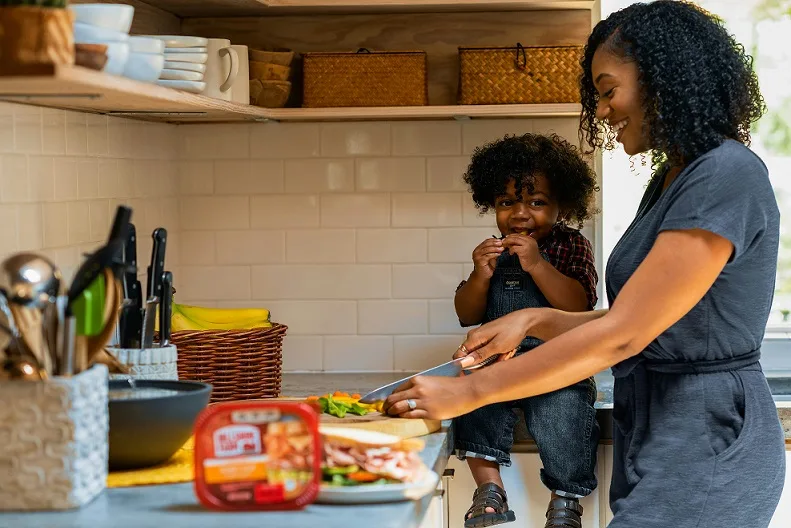
Promotes Healthy Eating Habits: Introducing your child to cooking empowers them to make healthier food choices. When children actively participate in meal preparation, they develop a deeper understanding of nutrition and the importance of balanced diets. Moreover, involving them in selecting fresh ingredients and preparing meals from scratch encourages them to opt for wholesome, nutrient-rich foods over processed alternatives.
Enhances Creativity and Confidence: Cooking provides a canvas for creativity, allowing children to experiment with flavours, textures, and presentation. By encouraging their culinary creativity, you bolster their confidence in their abilities to tackle challenges and think outside the box. Whether it’s designing their own pizza toppings or concocting a unique smoothie blend, cooking fosters a sense of achievement and self-assurance in children.
Cultivates Independence and Life Skills: Teaching your child how to cook equips them with essential life skills that extend far beyond the kitchen. From following recipes to understanding cooking techniques and kitchen safety, cooking instils a sense of independence and responsibility. As they master these skills, children develop the confidence to navigate various aspects of daily life, from grocery shopping to meal planning and budgeting.
Strengthens Family Bonds: Cooking together offers invaluable opportunities for quality family time and bonding. Whether it’s preparing a special meal for celebrations or simply whipping up dinner on a weeknight, the shared experience of cooking fosters meaningful connections and cherished memories. Engaging in culinary activities as a family not only strengthens emotional bonds but also encourages open communication and teamwork.
Teaches Time Management and Patience: Cooking requires patience and the ability to manage time effectively. From prepping ingredients to waiting for dough to rise or a dish to simmer, children learn the value of patience and perseverance through cooking. Additionally, planning and coordinating multiple tasks simultaneously in the kitchen sharpen their time management skills, preparing them to tackle time-sensitive challenges in other areas of their lives.
Fosters Cultural Appreciation: Exploring diverse cuisines through cooking exposes children to different cultures and traditions, fostering an appreciation for diversity and global cuisine. As they whip up dishes from around the world, children not only broaden their culinary horizons but also gain insights into the rich tapestry of global cultures, promoting empathy and cultural understanding.
Incorporating cooking into your child’s upbringing offers a myriad of benefits that extend far beyond the kitchen. From promoting healthy eating habits and fostering creativity to cultivating independence and strengthening family bonds, teaching your child how to cook lays the foundation for a lifetime of culinary enjoyment and valuable life skills. So, roll up your sleeves, grab those aprons, and embark on a flavourful journey of culinary discovery with your child today!