
Delicious and Nutritious: Fueling Your Child’s Success with Healthy Packed Lunch Ideas for School – As a parent, ensuring that your child receives proper nutrition is crucial for their overall health and success in school. One way to achieve this is by packing a healthy lunch that is both delicious and nutritious. A well-balanced packed lunch provides your child with the energy and nutrients they need to concentrate, learn, and perform their best throughout the day.
When children consume a healthy meal during lunchtime, it can enhance their cognitive function, memory, and attention span. A study conducted by the American Dietetic Association found that children who ate a nutritious lunch had higher test scores and were more likely to engage in classroom activities compared to those who consumed unhealthy meals or skipped lunch altogether.
Not only does a nutritious packed lunch benefit your child academically, but it also promotes their overall health and well-being. By incorporating a variety of food groups, such as fruits, vegetables, whole grains, lean proteins, and healthy fats, you can support their growth, development, and immune system function.
Delicious and Nutritious: Fueling Your Child’s Success with Healthy Packed Lunch Ideas for School
Benefits of Nutritious Packed Lunches
Packing a nutritious lunch for your child offers numerous benefits that contribute to their overall well-being. Here are some key advantages:
- Improved Concentration: Nutrient-dense foods, such as fruits, vegetables, and whole grains, provide a steady source of energy and help sustain your child’s focus and concentration throughout the day.
- Enhanced Physical Health: A balanced packed lunch that includes a variety of food groups ensures that your child receives essential vitamins, minerals, and antioxidants necessary for their growth, development, and immune system.
- Healthy Weight Management: By packing nutritious meals, you can help your child maintain a healthy weight and reduce the risk of obesity-related health issues, such as diabetes and heart disease.
- Boosted Mood: Certain foods, like those rich in omega-3 fatty acids and antioxidants, have been linked to improved mood and reduced symptoms of anxiety and depression. Including these in your child’s packed lunch can contribute to their emotional well-being.
Common Mistakes to Avoid When Packing School Lunches
While the intention behind packing a healthy lunch is commendable, it’s essential to be aware of common mistakes that can unknowingly undermine your efforts. Avoiding these pitfalls will help ensure that your child’s packed lunch remains both nutritious and appealing.
- Overemphasizing Processed Foods: It can be tempting to rely on pre-packaged snacks and convenience foods when time is limited. However, these often contain high levels of added sugars, unhealthy fats, and preservatives. Aim to incorporate whole, minimally processed foods as much as possible.
- Neglecting Food Safety: Proper food safety practices are critical when packing lunches. Ensure that perishable items, like meats and dairy products, are stored in insulated containers with ice packs to maintain safe temperatures and reduce the risk of foodborne illnesses.
- Lack of Variety: Providing a wide variety of foods ensures that your child receives a range of nutrients. Avoid packing the same lunch every day and instead experiment with different fruits, vegetables, proteins, and grains to keep their meals exciting and nutritious.
By being mindful of these common mistakes, you can maximize the nutritional value of your child’s packed lunch and support their overall health and well-being.
Planning and Prepping for Healthy Packed Lunches
Proper planning and prepping are essential for consistently packing healthy lunches that your child will enjoy. By following these steps, you can save time and ensure that nutritious options are readily available.
- Create a Weekly Meal Plan: Set aside time each week to plan your child’s lunches. Consider their preferences, dietary restrictions, and any cultural or religious considerations. Plan a variety of meals that incorporate different food groups.
- Make a Grocery List: Based on your weekly meal plan, create a grocery list of the ingredients you’ll need. This will help you stay organized and ensure that you have all the necessary items on hand.
- Prep Ingredients in Advance: On weekends or during less busy times, pre-cut fruits and vegetables, cook grains and proteins, and portion out snacks. This will make assembling lunches quick and easy during the hectic mornings.
- Invest in Quality Containers: Choose sturdy and leak-proof containers that are appropriately sized for your child’s appetite. Bento boxes or compartmentalized containers are great options for keeping foods separate and appealing.
By incorporating these planning and prepping strategies into your routine, you can streamline the lunch-packing process and ensure that your child always has a nutritious meal to enjoy at school.
Creative and Delicious Sandwich Ideas
Sandwiches are a lunchtime staple that can be both nutritious and exciting. By incorporating a variety of ingredients, you can create delicious and appealing sandwiches that your child will love. Here are some creative ideas to inspire you:
- Rainbow Veggie Wrap: Spread hummus or cream cheese on a whole-grain tortilla and layer it with colorful vegetables like shredded carrots, sliced bell peppers, cucumber, and spinach. Roll it up tightly and slice into pinwheels for a fun twist.
- Turkey and Avocado Club: Layer slices of lean turkey, avocado, lettuce, and tomato between whole-grain bread. For added flavor, spread a thin layer of Dijon mustard or Greek yogurt-based dressing.
- Caprese Panini: Use a whole-grain baguette or ciabatta roll to build a classic Caprese sandwich. Layer fresh mozzarella, ripe tomato slices, and fresh basil leaves. Drizzle with balsamic glaze and grill it in a panini press until the cheese is melted and the bread is toasted.
- Peanut Butter and Banana Roll-Up: Spread natural peanut butter on a whole-wheat tortilla, and place a peeled banana in the center. Roll it up tightly and slice into bite-sized pieces. This combination of protein, healthy fats, and natural sugars will keep your child fueled and satisfied.
These sandwich ideas are just a starting point. Feel free to get creative and customize them to suit your child’s preferences and dietary needs. The key is to balance flavor, nutrition, and visual appeal to make lunchtime exciting and enjoyable.

Nutritious Snacks to Include in Packed Lunches
In addition to a main course, incorporating nutritious snacks in your child’s packed lunch provides them with additional energy and essential nutrients throughout the day. Here are some wholesome snack ideas that are easy to pack and delicious to eat:
- Fresh Fruit: Include a variety of fresh fruits, such as apple slices, grapes, berries, or citrus wedges. Pack them in small, reusable containers to keep them fresh and prevent them from getting squished.
- Yogurt Parfait: Layer low-fat yogurt, granola, and fresh berries in a small jar or reusable container. This provides a good source of calcium, protein, and fiber while satisfying your child’s sweet tooth.
- Cheese and Crackers: Pair whole-grain crackers with individually wrapped cheese sticks or small cubes of cheese. This combination offers protein, calcium, and whole grains for sustained energy.
- Homemade Trail Mix: Create a custom trail mix by combining a variety of nuts, seeds, dried fruits, and whole-grain cereal. Avoid mixes with added sugars or excessive salt. Pack small portions in reusable snack bags for an easy grab-and-go option.
By including these nutritious snacks in your child’s packed lunch, you can ensure that they have a constant supply of energy and nutrients throughout the school day.
Easy and Healthy Fruit and Vegetable Options
Fruits and vegetables are essential components of a healthy packed lunch, as they provide essential vitamins, minerals, and fibre. Here are some easy and healthy options to consider:
- Pre-cut Veggie Sticks: Slice vegetables like carrots, cucumbers, and bell peppers into sticks that are easy to eat. Pack them with a side of hummus or a yogurt-based dip for added flavour.
- Fruit Kabobs: Skewer bite-sized pieces of melons, berries, and grapes onto wooden skewers for a fun and colourful way to enjoy fruits. This presentation can make fruits more appealing to children.
- Frozen Grapes: Wash and freeze grapes the night before. They make a refreshing and nutritious snack that also helps keep the rest of the lunch cool.
- Fruit Salad: Dice a variety of fruits such as pineapple, mango, kiwi, and berries and toss them together in a container. You can also squeeze a bit of lime juice to prevent browning and add a burst of flavour.
Including a mix of fruits and vegetables not only provides essential nutrients but also adds vibrant colours and flavours to your child’s packed lunch.
Packing a Balanced and Complete Meal
To ensure that your child’s packed lunch is well-rounded and nutritionally balanced, it’s important to include foods from all major food groups. Here’s a breakdown of the key components to consider:
- Protein: Include lean sources of protein such as grilled chicken, turkey, lean beef, or plant-based options like tofu or beans. These provide essential amino acids necessary for growth and repair.
- Whole Grains: Choose whole-grain bread, wraps, or pasta to provide sustained energy and fiber. You can also include cooked grains like quinoa or brown rice as a side dish.
- Fruits and Vegetables: As mentioned earlier, include a variety of colorful fruits and vegetables to provide essential vitamins, minerals, and antioxidants.
- Healthy Fats: Incorporate sources of healthy fats, such as avocado, nuts, seeds, or olive oil-based dressings. These fats are important for brain development and overall health.
- Dairy or Alternatives: If your child consumes dairy, include low-fat milk, yogurt, or cheese in their packed lunch. If they are lactose intolerant or follow a plant-based diet, there are plenty of dairy-free alternatives available.
By ensuring that each packed lunch contains foods from these major food groups, you can provide your child with a well-balanced and complete meal that supports their growth, development, and overall health.
Fun and Interactive Ways to Involve Your Child in Lunch Preparation
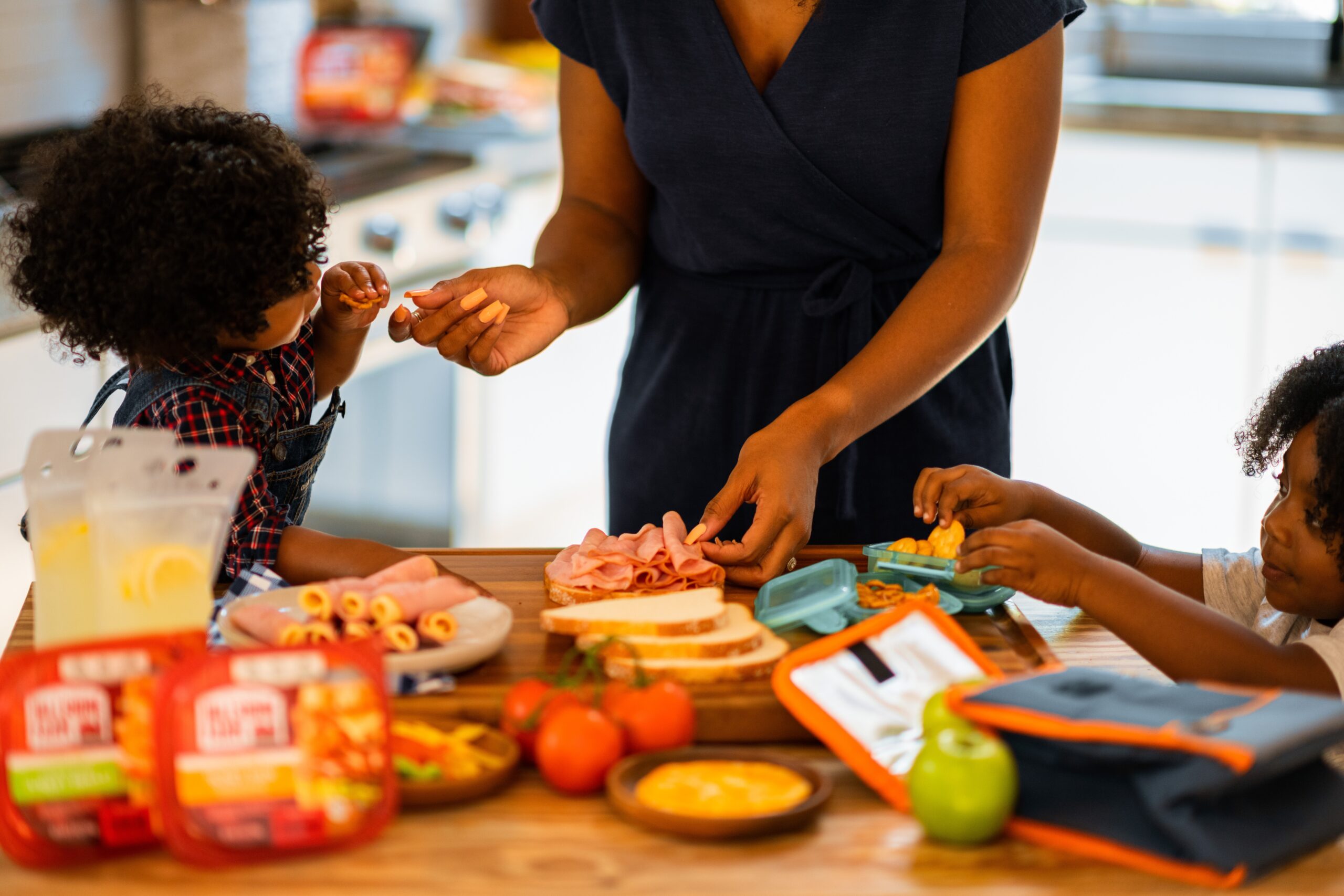
Involving your child in the preparation of their packed lunch not only teaches them valuable skills but also increases their interest in and enjoyment of the meal. Here are some fun and interactive ways to get your child involved:
- Menu Planning: Sit down with your child and create a weekly menu plan together. Let them choose the main course, snacks, and fruits they would like to include. This gives them a sense of ownership and control over their meals.
- Grocery Shopping: Take your child grocery shopping with you and let them help you select fruits, vegetables, and other ingredients for their packed lunch. Teach them about different food groups and the importance of choosing nutritious options.
- Preparation Tasks: Depending on their age and skill level, assign age-appropriate tasks for your child to help with. They can wash fruits and vegetables, assemble sandwiches or wraps, or portion out snacks into containers.
- Creative Food Art: Encourage your child to get creative with their packed lunch by arranging fruits and vegetables into fun shapes or making smiley faces out of food items. This can make lunchtime more exciting and appealing.
By involving your child in the lunch preparation process, you not only empower them to make healthier choices but also create an opportunity for quality bonding time.
Healthy Drink Options for School Lunches
Choosing the right beverages for your child’s packed lunch is just as important as selecting nutritious foods. Here are some healthy drink options to consider:
- Water: Water should be the primary beverage choice for your child’s packed lunch. It is essential for hydration and has no added sugars or calories. Encourage your child to drink water throughout the day by packing a reusable water bottle.
- Milk: If your child consumes dairy, low-fat milk is an excellent option as it provides calcium, protein, and other essential nutrients. Make sure to pack it in an insulated container with an ice pack to keep it cool.
- Fruit-infused Water: Add slices of fresh fruits, such as lemon, lime, or berries, to a bottle of water for a refreshing and flavorful twist. This can encourage your child to drink more water if they find plain water less appealing.
- Herbal Teas: If your child enjoys warm beverages, consider packing herbal teas that are naturally caffeine-free. Chamomile, peppermint, or fruit-infused herbal teas can provide a soothing and hydrating option.
Avoid packing sugary drinks like juice boxes, soda, or sports drinks, as these can contribute to excessive sugar intake and negatively impact your child’s health and dental hygiene.
Dealing with Picky Eaters and Food Allergies
If your child is a picky eater or has food allergies, it can present additional challenges when packing their lunch. Here are some strategies to help navigate these situations:
- Picky Eaters: Involve your child in the meal planning process and let them choose from a selection of nutritious options. Offer a variety of foods and flavours, and be patient as their taste preferences may change over time. Encourage them to try new foods but avoid pressuring or forcing them.
- Food Allergies: If your child has food allergies, it is crucial to avoid packing any allergens that could trigger a reaction. Read food labels carefully, and consider allergen-free alternatives. Communicate with your child’s school and teachers to ensure a safe environment.
- Introduce New Foods Gradually: If your child is hesitant about trying new foods, introduce them gradually. Offer small portions alongside familiar favourites, and encourage them to take a bite. Over time, their palate may expand, and they may develop a liking for new flavours.
- Seek Professional Guidance: If you’re struggling with picky eating or managing food allergies, consider consulting a registered dietitian or paediatrician. They can provide personalized recommendations and strategies to address your child’s specific needs.
Remember, every child is unique, and it may take time and patience to find the right balance when it comes to their packed lunch.